Thinking about buying a home with land in Delmont? It can sound like the best of both worlds: more space, more privacy, and more flexibility. But in a compact borough like Delmont, land comes with practical questions that matter just as much as the house itself. If you want to make a smart move, you need to look beyond the acreage number and understand zoning, utilities, drainage, permits, and long-term upkeep. Let’s dive in.
Why land in Delmont feels different
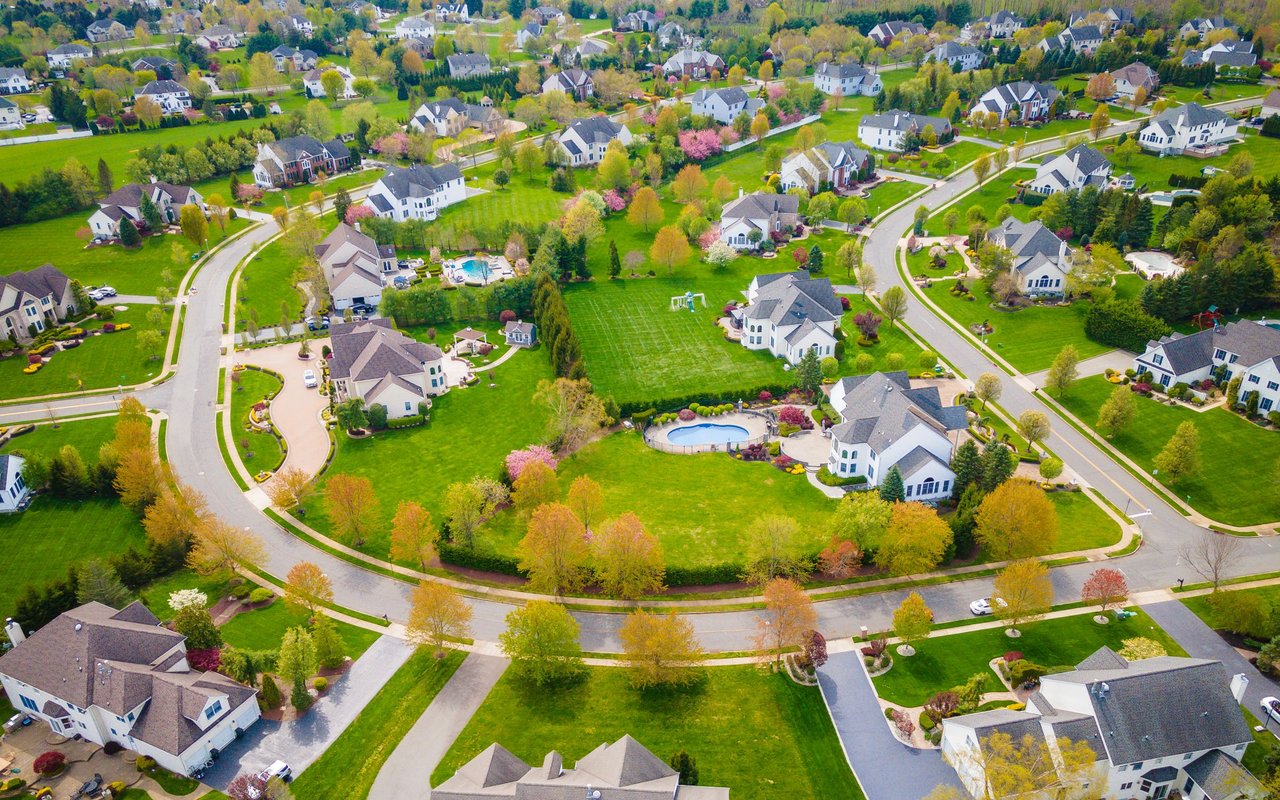
Delmont is a borough of nearly 3,000 people about 25 miles east of Pittsburgh. That matters because a home with land here may still fall under borough-style zoning and land-use rules, rather than the more open framework buyers sometimes expect from rural properties.
If you are picturing a mini-homestead or a property with lots of future expansion options, start with the exact location and zoning district. Buyers often compare Delmont with nearby township properties for that reason, especially when they want more open land or fewer borough-style restrictions.
Start with zoning before anything else
When you are considering a home with land in Delmont, zoning should be one of your first questions. The borough’s ordinance is organized around residential, commercial, conservation, and overlay districts, and each one shapes what you can do with the property.
The borough also notes that its online code listing may not always reflect the latest adopted ordinances. That means you should confirm current rules with the borough office instead of relying on the website alone.
What R-1 zoning means
R-1 is Delmont’s lower-density single-family residential district. Its purpose is to provide areas for lower-density single-family neighborhoods and compatible uses.
For most principal uses in R-1, the minimum lot area is 10,000 square feet with public water and sewer, or 20,000 square feet without them. Minimum lot width is 75 feet with water and sewer, or 100 feet without, and maximum lot coverage is 30 percent.
What R-2 zoning means
R-2 is a more flexible residential district. It is intended to act as a transition between lower-density residential areas and commercial or downtown-type uses, and it allows a wider variety of residential options.
For most principal uses in R-2, the minimum lot area is 7,500 square feet with water and sewer, or 15,000 square feet without. Minimum lot width is 75 feet with water and sewer, or 100 feet without, and maximum lot coverage is also 30 percent.
Why zoning matters for future plans
A home with extra land can spark lots of ideas. You might be thinking about a large addition, a detached structure, or another type of use for the lot.
In Delmont’s residential districts, there is generally only one principal use and one principal structure per lot. Any use has to be listed in the authorized-use tables or qualify through the ordinance’s exception process, so it is important to verify your plans early.
Land does not always mean unlimited freedom
One of the biggest surprises for buyers is that more land does not automatically mean more flexibility. A property may feel semi-rural, but local rules can still affect what you build, how you improve the site, and how you manage drainage and maintenance.
Delmont’s code listing includes chapters related to floodplain management, outdoor burning, property maintenance, and stormwater. If you are buying for outdoor space, hobbies, or future projects, those details deserve a close look.
Permits can apply to everyday improvements
Many buyers assume permits only matter for major renovations. In Delmont, the zoning ordinance says a zoning permit is required before a structure is erected or a use is established or changed.
A building permit is also required before many structural changes, including porches, carports, and decks. The borough fee schedule also lists accessory or storage buildings under 600 square feet, driveways, fences or walls, and roofless porches, decks, and patios as items that can trigger zoning and code fees.
Improvements to ask about early
Before you buy, it helps to ask whether the current owner completed any site improvements and whether approvals were obtained where required. This is especially helpful if the property includes:
- A shed or accessory building
- A fence or wall
- An added driveway or expanded parking area
- A deck, porch, or patio
- Grading or drainage changes
If you hope to add any of these after closing, checking local requirements up front can save time and frustration.
Utilities can shape your budget and maintenance
With a home on more land, utility setup matters just as much as square footage. In and around Delmont, that can mean understanding whether the property uses public sewer, a private well, on-lot septic, or some combination of systems.
This is where due diligence becomes very practical. The answers affect maintenance, inspections, repair costs, and how you plan for ownership.
Public sewer has a local resale checkpoint
If the property is on public sewer in Delmont, resale can trigger a private lateral inspection. The borough says private laterals are inspected upon sale, transfer, assignment, pledge, or hypothecation of an interest in real property.
If a lateral fails inspection, it must be repaired or replaced before a no-lien certificate is issued. For buyers and sellers alike, that makes sewer lateral condition an important local issue.
Private wells need testing
Private wells are common enough in rural Pennsylvania that testing is a normal part of buying diligence. Pennsylvania DEP says it does not regulate private homeowner wells, but it provides guidance on contaminants, testing, certified labs, and well construction.
State guidance says wells should be tested when first drilled, after a sudden change in smell, color, or taste, and after a flood or septic failure. New buyers may also want to test before moving in, with common tests including bacteria, nitrates, lead, and arsenic.
Septic systems need routine care
If the home relies on an on-lot septic system, maintenance is part of ownership. Pennsylvania DEP says homeowners are responsible for operating and maintaining on-lot sewage systems, and septic tanks should generally be pumped every three to five years.
DEP also notes that in Pennsylvania, a three-bedroom home must have a 900-gallon or larger septic tank. For buyers, that means it is smart to ask about system age, service history, and any past repairs.
Stormwater matters more than many buyers expect
Stormwater is not just a landscaping issue in Delmont. The borough is an MS4 community under a DEP stormwater permit, and the borough asks residents not to dump anything but stormwater into drains, inlets, swales, or streams.
Residents are also expected to handle pet waste and hazardous materials properly and keep yard debris out of the system. On a property with more land, more driveway, or more outbuildings, these responsibilities can have a bigger day-to-day impact.
Stormwater can affect carrying costs
The Delmont Stormwater Authority says all properties are assessed for stormwater costs. Single-family residential parcels are billed at $10 per month, while non-single-family parcels are charged based on impervious area.
That may sound small, but it is still part of your long-term ownership picture. More hard surfaces like driveways, accessory structures, and paved areas can affect how a site functions and what it costs to maintain.
How acreage affects value and resale
It is easy to assume that more land always means a much higher value. In reality, land value is more nuanced.
Appraisal guidance shows that land is typically evaluated by comparing similar recent sales and adjusting for things like location, size, shape, topography, accessibility, present use, highest and best use, zoning, utilities, supply and demand, and improvements. In simple terms, usable land often matters more than raw acreage alone.
Bigger lots can help and limit resale
A larger lot can appeal to buyers who want privacy, room for gardening, space for outbuildings, or more distance from neighbors. At the same time, larger properties can narrow the buyer pool because they may involve more mowing, more driveway upkeep, more drainage concerns, and more utility maintenance.
That does not make a home with land a weaker investment. It just means the right value conversation should focus on usability, access, and permitted use, not only on the acre count.
Tax and parcel research should be part of the process
Westmoreland County’s Tax Assessment Office sets, maintains, and certifies assessments for real property in the county. Those assessments are used by the county, school districts, and municipalities to levy real estate taxes.
If you are buying a home with land, it is smart to review assessment history, parcel mapping, and any visible site features that might affect future use. Westmoreland County GIS also maintains parcel maps and makes current maps and FEMA flood maps available for research.
Larger plans may need extra review
If you are thinking beyond simple homeownership and wondering about subdivision or more intensive site changes, ask those questions early. Delmont’s fee schedule includes land development and site plan fees, including a $600 base fee for up to 5 acres plus an additional per-acre charge.
That does not mean your idea will or will not work. It simply shows that bigger plans can involve another layer of review, so early verification is important.
Smart questions to ask before you buy
When you tour a home with land in Delmont, keep your questions practical. A beautiful lot is exciting, but clarity is what protects you.
Ask about:
- The property’s zoning district and whether your planned use fits
- Whether the home uses public water and sewer or a private well and septic system
- Whether there are permits for sheds, fences, driveways, decks, or other improvements
- Whether a recent survey or parcel map is available
- Whether county GIS maps or FEMA flood maps raise any boundary or floodplain questions
- Whether future improvements could affect the property’s assessment
The bottom line on Delmont homes with land
A home with land in Delmont can offer real breathing room and long-term appeal. But the smartest buyers look past the listing photos and ask how the land actually works day to day.
In this market, the key issues are usually zoning, utilities, drainage, permits, and upkeep rather than acreage alone. If you want help comparing properties, spotting potential issues early, and understanding how land changes the buying decision, Elizabeth Bires can help you move forward with confidence.
FAQs
What should you check first when buying a home with land in Delmont?
- Start with the zoning district, because Delmont’s rules on lot size, permitted uses, and principal structures can shape what you can do with the property.
Do Delmont properties with land always have fewer restrictions?
- No. Even if a property feels more open or semi-rural, borough rules can still affect structures, drainage, maintenance, stormwater, and certain site activities.
Are permits required for small property improvements in Delmont?
- Yes, they can be. Delmont’s ordinance and fee schedule show that items like sheds, fences, driveways, decks, patios, and similar improvements may trigger zoning or code review.
What utility questions matter for Delmont homes with land?
- You should confirm whether the property uses public water and sewer or a private well and on-lot septic, because those systems affect inspections, maintenance, and ongoing costs.
Does a sewer lateral inspection matter when buying in Delmont?
- Yes. If the property is on public sewer, the borough says private laterals are inspected upon sale or transfer, and failed laterals must be repaired or replaced before a no-lien certificate is issued.
Should you test a private well before buying a home near Delmont?
- Yes. Pennsylvania DEP guidance says new buyers may want to test private wells before moving in, with common tests including bacteria, nitrates, lead, and arsenic.
How often should a septic system be maintained in Pennsylvania?
- Pennsylvania DEP says homeowners are responsible for septic maintenance, and a septic tank should generally be pumped every three to five years.
Does more acreage automatically mean higher value in Delmont?
- Not necessarily. Value depends on factors like zoning, usability, access, topography, utilities, and buyer demand, not just the total number of acres.