Thinking about selling your North Huntingdon home? You might be wondering whether now is the right time, how much work to do before listing, and what really happens between the first showing and closing day. If that sounds familiar, you are not alone, especially if you want a smooth sale without costly surprises. This guide walks you through the North Huntingdon selling process step by step so you can make smart decisions with more confidence. Let’s dive in.
Understand the North Huntingdon market
If you are selling in North Huntingdon, local conditions matter more than broad county trends. In March 2026, North Huntingdon had 103 homes for sale, down 15.28% from a year earlier and down 10.29% from the prior month. At the same time, Westmoreland County had 1,563 homes for sale, which was up 8.41% year over year.
That contrast matters because your home is competing in a township market that may feel tighter than the county as a whole. In March 2026, North Huntingdon was considered a seller’s market, with a median listing price of $299,900 and median days on market of 76. Homes sold for about 1.92% below asking on average, which shows that strong pricing still matters.
The market also shifted quickly. North Huntingdon moved from a balanced market in February 2026 to a seller’s market in March, while median days on market dropped from 102 to 76 and median listing price rose from $267,900 to $299,900. That is a good reminder that older expectations can get stale fast.
Even within the township, results can vary. In the 15642 ZIP code, the median listing price was $349,900 with 99 days on market. That means your pricing and timeline should be based on current comparable sales and active competition near your home, not just township-wide averages.
Prep your home before listing
A smoother sale often starts before your home ever hits the market. Buyers notice condition quickly, and many are less willing to compromise than they were in the past. In NAR’s 2025 Remodeling Impact Report, 46% of buyers were less willing to compromise on condition.
That does not always mean a major renovation. Often, the best first step is to focus on visible, practical improvements that make the home feel clean, cared for, and move-in ready. Small updates can shape both online photos and in-person impressions.
Focus on low-cost improvements
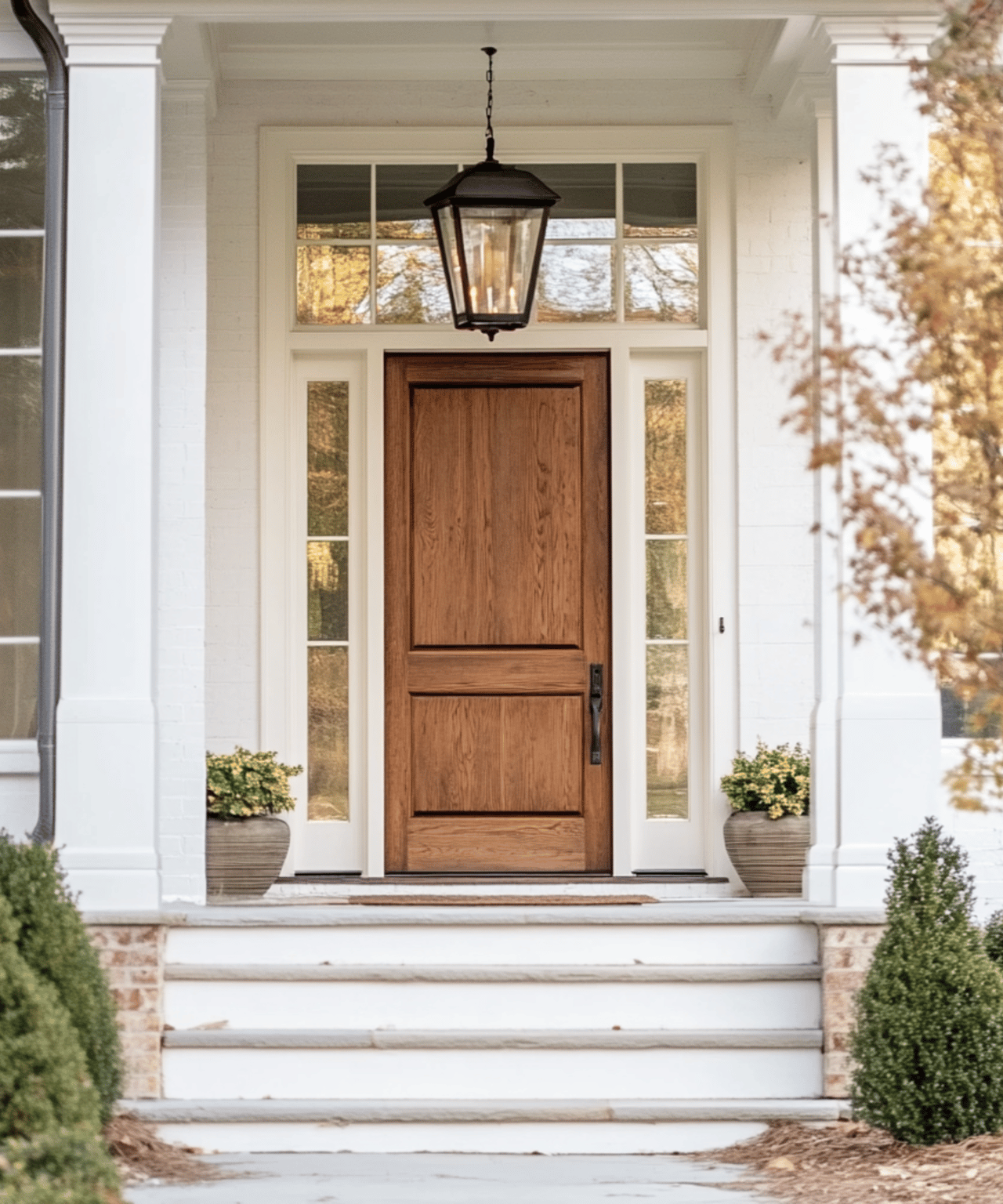
Simple prep can go a long way. NAR recommends cleaning windows, carpets, lighting fixtures, and walls, removing clutter, using neutral colors, and improving curb appeal with landscaping, paint, and front-entry touch-ups. These steps can also help your listing photos look stronger.
If you are not sure where to start, begin with the areas buyers see first. Your front entry, main living spaces, kitchen, and bathrooms tend to make the biggest impression. A clean, bright, uncluttered home helps buyers focus on the space instead of the work they think they will need to do.
Consider a pre-sale inspection
A pre-sale inspection is not required, but it can give you useful information early. It may identify issues with the roof, plumbing, electrical, HVAC, insulation, or concerns like radon or lead paint before a buyer brings them up.
That gives you more control. You can decide whether to make repairs, gather estimates, or prepare for how those findings may affect negotiations. For many sellers, that kind of clarity lowers stress later in the process.
Use staging strategically
Staging can help buyers picture themselves in the home. According to NAR, 83% of buyers’ agents said staging makes it easier for buyers to visualize a property as their future home. More than a quarter said staged homes received offers that were 1% to 10% higher in dollar value, and about half of sellers’ agents said staging reduced time on market.
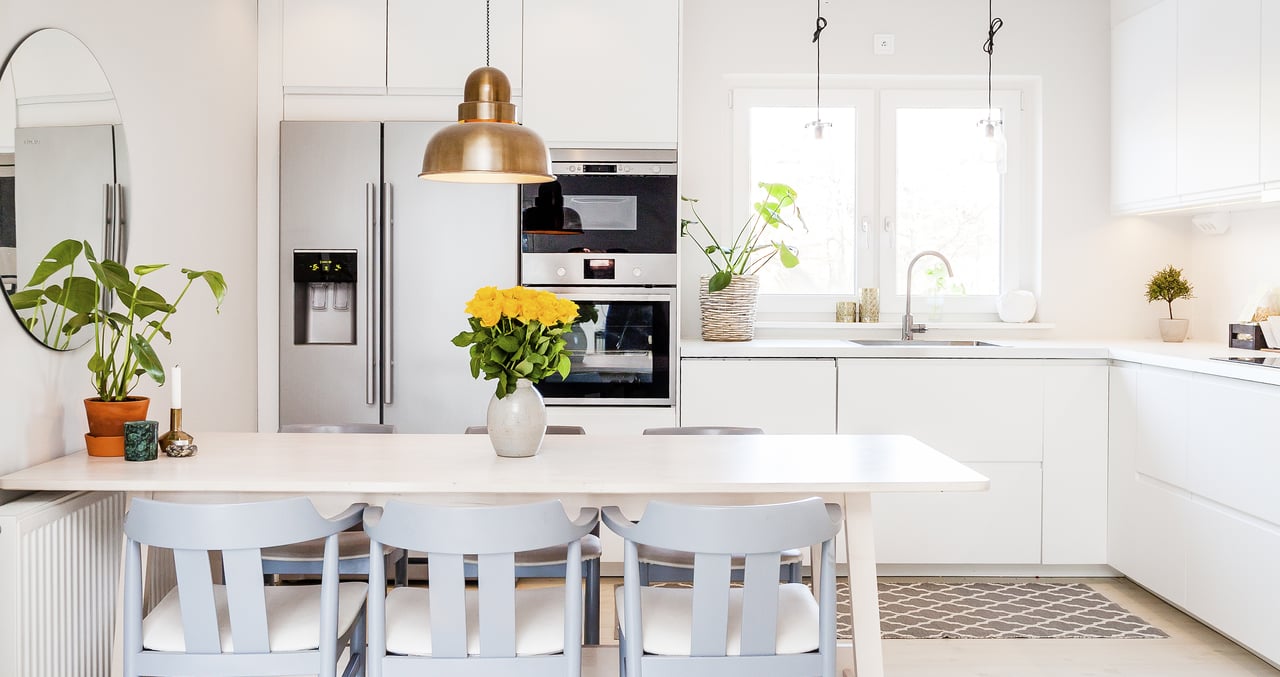
You do not always need full-service staging to get the benefit. Sometimes strategic furniture placement, lighter decor, and removing extra items are enough to make rooms feel more open and functional. The goal is to help buyers see the home clearly.
Price your home realistically
Pricing is one of the biggest decisions you will make. In North Huntingdon, homes were selling close to list price in March 2026, but not exactly at asking. On average, homes sold about 1.92% below asking, which tells you buyers are still negotiating.
That is why realistic pricing matters from day one. A strong list price should reflect recent comparable sales, active competition, condition, location within the township, and current buyer demand. It should not be based only on what you hope to net.
Why current comps matter
North Huntingdon changed quickly between February and March 2026. When pricing trends move that fast, older comps may not tell the full story. Your strategy should reflect what buyers are seeing right now, not what the market looked like a few months ago.
This is especially important if your home falls into a price range or pocket of the market that moves differently. A home in 15642 may face different timing and pricing pressure than another property elsewhere in the township. Hyper-local analysis helps you avoid overpricing or leaving money on the table.
What happens if your home sits
If a home stays on the market too long, buyers often start to wonder why. Fannie Mae notes that sellers may need to reduce the price or offer incentives such as closing-cost help if the home has been listed for a while. The longer a home sits, the harder it can become to sell.
That does not mean you should underprice your property. It means you should aim for a price that attracts serious early attention, supports showings, and gives you the best chance of a clean offer before the listing goes stale.
Build a smart marketing plan
Marketing is more than putting a sign in the yard. A detailed marketing plan often includes the MLS, open houses, virtual tours, and flyers. The right mix helps your home reach buyers where they are searching and makes it easier for them to understand the value of your property.
Strong presentation supports every part of that plan. If your home photographs well, shows cleanly, and offers a clear first impression, your marketing works harder for you. That is one reason prep and pricing are so closely tied to results.
Keep your home show-ready
Once your home is active, buyers may want to tour it at different times and sometimes with little notice. Fannie Mae recommends keeping the home clean and ready to show. That can be inconvenient, but flexibility can help you capture more opportunities.
Try to create a simple daily routine. Clear counters, make beds, turn on lights when needed, and keep personal items tucked away. The easier it is to show your home, the easier it is for buyers to imagine living there.
Review offers carefully
When offers come in, it is easy to focus only on price. But the strongest offer is not always the highest number. Terms matter, and they can affect whether a deal actually makes it to the closing table.
Fannie Mae recommends reviewing inspection periods, closing dates, and contingencies closely. Inspection and appraisal terms, in particular, can have a major effect on how smoothly the transaction moves forward.
Look beyond the headline price
A higher offer with difficult contingencies may create more risk than a slightly lower offer with cleaner terms. You will want to compare the full picture, including timing, financing, repair expectations, and how much flexibility the buyer is asking for.
This is where calm, clear guidance matters. Pennsylvania’s Consumer Notice explains that a seller’s agent works exclusively for the seller, and written offers and counteroffers must be presented as soon as practicable. That structure helps keep communication moving while your interests stay front and center.
Stay organized from contract to closing
After you accept an offer, the process shifts from marketing to execution. This stage includes inspections, title work, payoff details, paperwork, and contract deadlines. Good preparation can help reduce last-minute issues.
It also helps to gather documents early. NAR recommends keeping warranties, guarantees, and manuals for items staying with the home so they are ready by closing. Having those materials organized can make the handoff easier for everyone.
What happens at closing
Closing, also called settlement, is the final step where documents are signed, funds are distributed, and ownership transfers. In most mortgage transactions, the buyer receives a Closing Disclosure at least three business days before closing so the final terms and costs can be reviewed.
The settlement process typically involves the settlement agent or title company, the deed, and county recording. For you as the seller, the practical goal is to make sure payoff information, title work, and all contract deadlines are handled accurately so closing can stay on track.
At closing, the sale proceeds are used to pay off your mortgage and other sale costs, and you receive the remaining funds. When the prep work, pricing, negotiations, and paperwork all stay aligned, the final step tends to feel much more manageable.
Sell with a clear plan
Selling your North Huntingdon home is not just about putting it on the market and hoping for the best. In a market where inventory is tight, homes are selling close to list price, and conditions can change quickly, your best advantage is a clear plan. Preparation, realistic pricing, strong marketing, careful offer review, and organized follow-through all matter.
If you want steady guidance through each step, from getting the house ready to navigating closing, working with a local professional can make the process feel far less overwhelming. When you are ready to talk through your next move, connect with Elizabeth Bires.
FAQs
What is the home-selling timeline in North Huntingdon?
- In March 2026, the median days on market in North Huntingdon was 76, but your timeline can vary based on pricing, condition, and location within the township.
Should you get a pre-sale inspection before listing a North Huntingdon home?
- A pre-sale inspection is not required, but it can help you identify issues early and decide whether to make repairs or prepare for negotiations.
How should you price a home in North Huntingdon, PA?
- Your home should be priced using current comparable sales, active competition, condition, and recent local market activity, because township trends can shift quickly.
Does staging help when selling a house in North Huntingdon?
- Staging can help buyers visualize the home more easily, and NAR reports it may reduce time on market and sometimes improve offer value.
What happens after you accept an offer on a North Huntingdon home?
- After acceptance, the transaction typically moves through inspections, title work, payoff coordination, document preparation, settlement, and county recording before ownership transfers.