If you are thinking about moving east of Pittsburgh, North Huntingdon often comes up for a reason. It offers a more suburban pace, a strong homeowner presence, and everyday convenience without feeling cut off from the rest of the region. If you want a clear picture of what daily life looks like here, this guide will walk you through the setting, housing, commute, and amenities so you can decide whether North Huntingdon fits your goals. Let’s dive in.
North Huntingdon at a Glance
North Huntingdon is a township in Westmoreland County located about 19 miles east of Pittsburgh and less than 13 miles west of Greensburg via US Route 30, according to the township fact sheet. That location gives you access to a broader regional job, shopping, and service network while still living in a suburban setting.
The township’s estimated 2024 population is 31,810, with a population density of 1,167.9 people per square mile. Those numbers point to a community that feels established and residential, not crowded or highly transient.
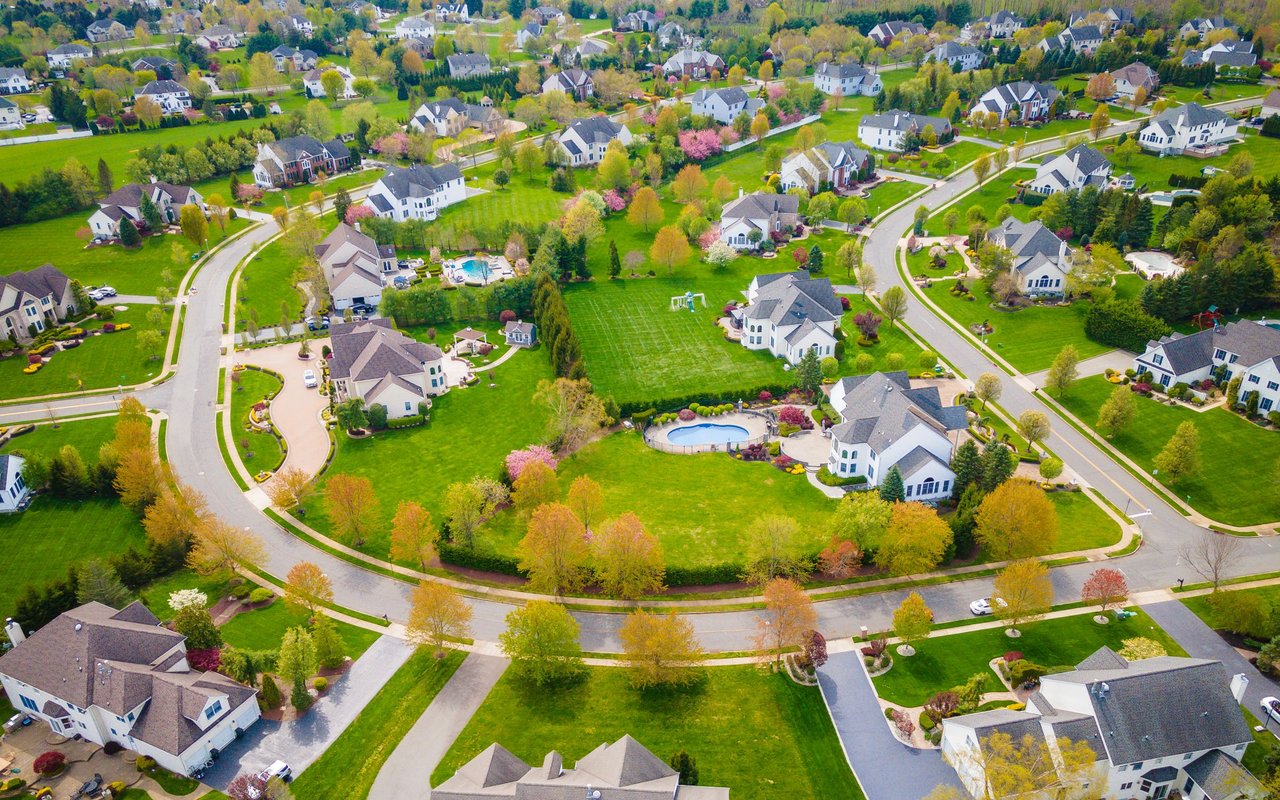
Official township materials describe North Huntingdon as a community with a small-town feel. That matches the local layout well, since much of daily life centers on neighborhoods, parks, major roads, and familiar commercial corridors rather than a dense urban core.
A Settled, Homeowner-Heavy Community
One of the clearest signs of North Huntingdon’s character is its housing stability. The U.S. Census Bureau QuickFacts page reports that 90.1% of housing units are owner-occupied.
That is a strong indicator that many people put down roots here. The same census source also shows that 94.5% of residents lived in the same house one year earlier, which adds to the sense of a settled community where people tend to stay.
If you are looking for a place that feels steady and residential, that can be a real plus. For many buyers, this kind of stability supports the suburban lifestyle they want, especially if they value consistency and a neighborhood feel.
What Homes Are Like in North Huntingdon
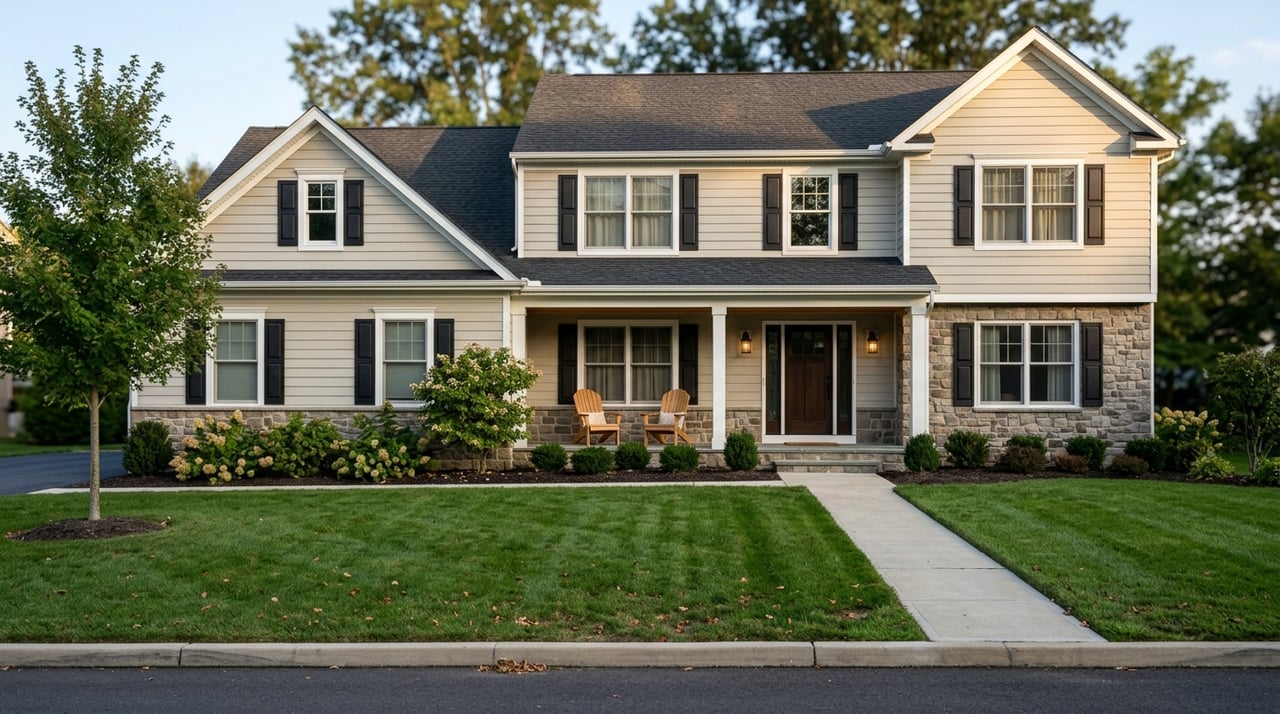
North Huntingdon’s zoning and development pattern suggest a market led mostly by detached homes, with some townhome and apartment options in specific areas. The township’s zoning information includes residential districts R-1 through R-4, along with planned residential development categories.
The ordinance notes that R-1 includes single-family and two-family development in older, smaller-lot sections. Across the township more broadly, the residential pattern is still largely single-family-oriented, while planned residential developments may include single-family homes, townhouses, and several apartment types.
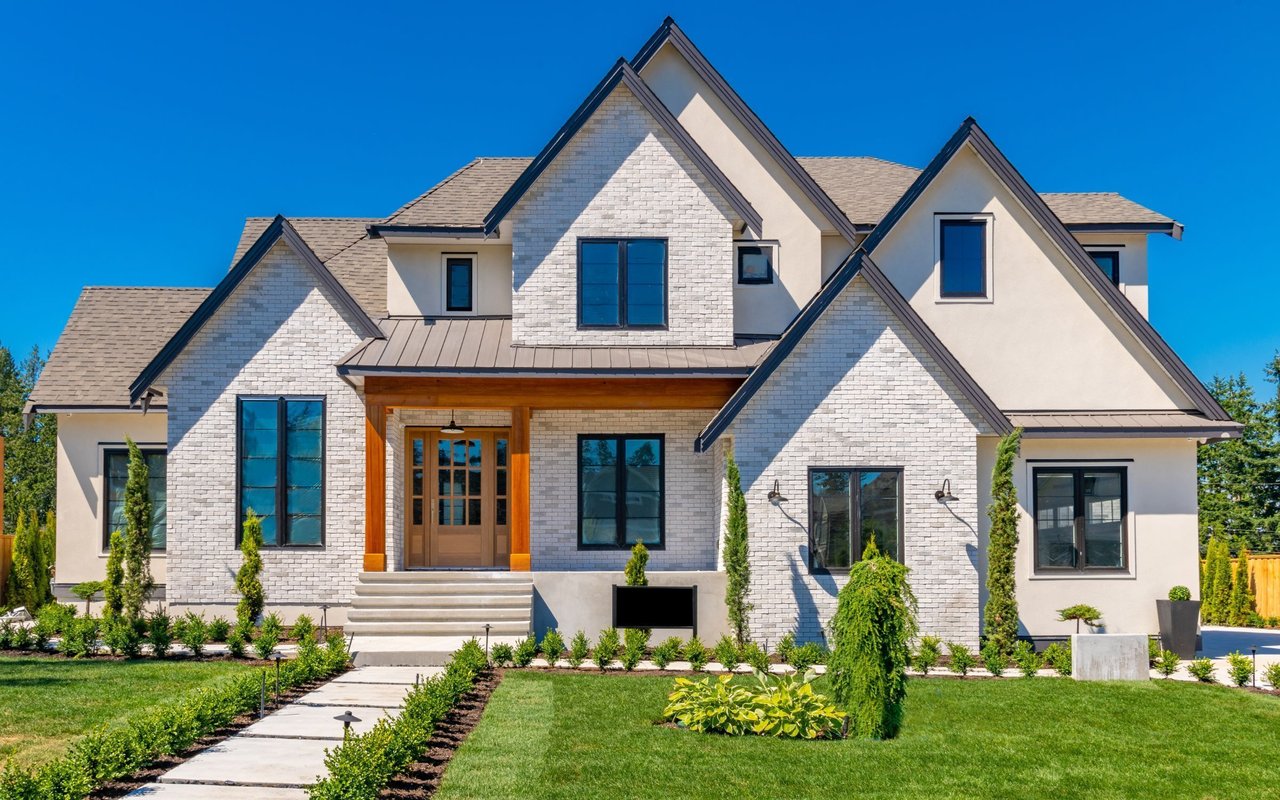
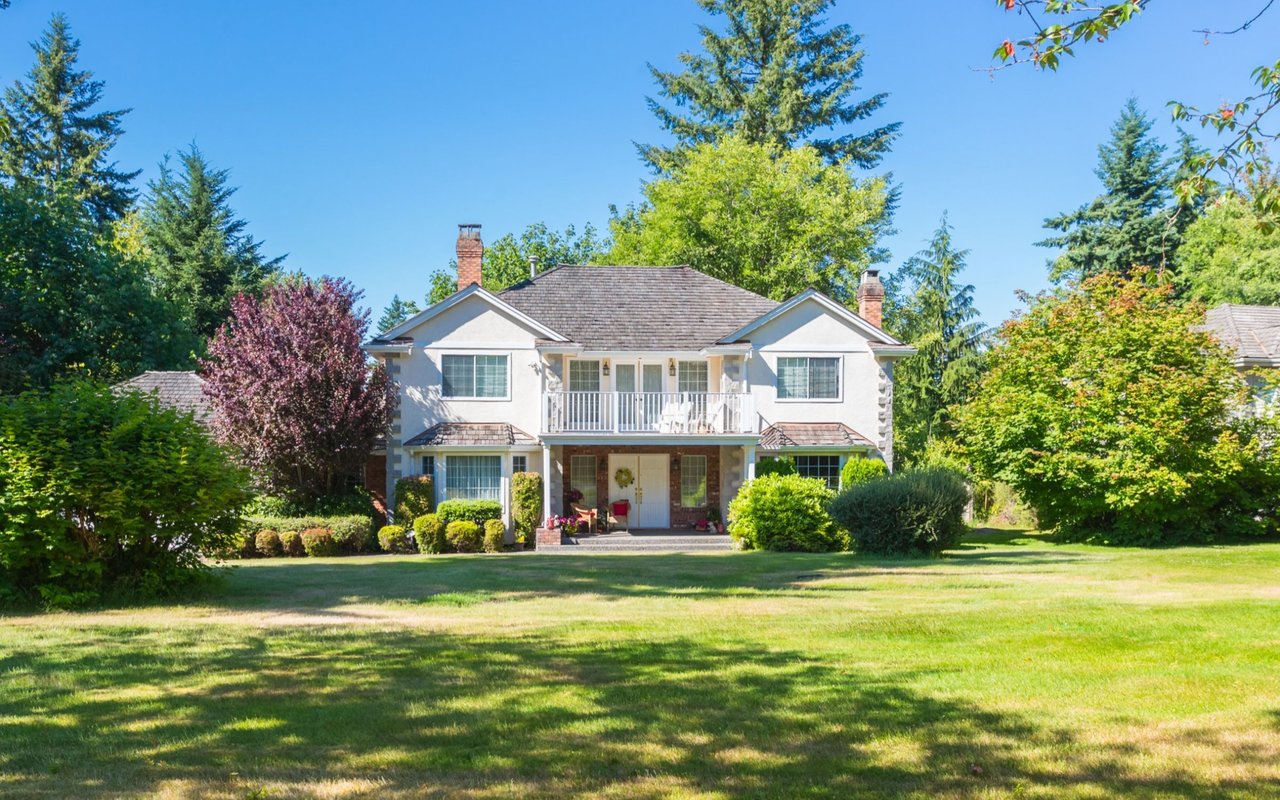
For buyers, that means you are likely to see a suburban housing mix with detached homes as the main option, plus some attached and multifamily choices depending on the area. If you want more space, a yard, or a traditional neighborhood layout, North Huntingdon lines up well with that preference.
The census adds a helpful pricing snapshot. It reports a median owner-occupied home value of $232,400, median monthly owner costs of $1,567 for households with a mortgage, and median gross rent of $1,062.
What Daily Life Feels Like
North Huntingdon tends to suit people who want practical convenience more than a walk-everywhere lifestyle. Errands, commuting, and regular routines often revolve around Route 30 and a handful of commercial nodes.
That suburban pattern can be a good fit if you like having stores, services, and main travel routes nearby. At the same time, it helps to know that this is not a compact downtown-style environment where most daily needs are a short walk away.
The township’s business materials describe commercial and industrial corridors shaped by Route 30 and the Turnpike. That reinforces the idea that North Huntingdon functions as part of a larger suburban belt with strong regional connections.
Commuting and Getting Around
For many buyers, commute options matter just as much as the house itself. North Huntingdon’s road network is closely tied to US Route 30, and the township also highlights Interstate 76 and the Pennsylvania Turnpike as major access points in its community fact sheet.
If you drive regularly, that setup can make it easier to reach nearby employment centers and services in both the Pittsburgh and Greensburg directions. The Census Bureau reports a mean travel time to work of 28.5 minutes, which gives you a useful benchmark when comparing North Huntingdon to other suburbs.
Public transit is not the main story here, but there are practical backup options. Westmoreland Transit park-and-ride information shows that Route 1F, Route 3F, and Route 6 serve the broader North Huntingdon and Irwin area, and the Carpenter Lane Park & Ride at 13700 US-30 has 245 parking spaces.
Route 3F uses Carpenter Lane as a transfer point to Pittsburgh, which may help if you want a partial transit commute. Route 6 also includes stops at North Huntingdon Square Giant Eagle, Norwin Hills, and Walmart Super Center, based on the Route 6 schedule.
For more flexible transportation needs, GO Westmoreland shared-ride service operates countywide. If Pittsburgh access matters to you, it is worth noting that Pittsburgh trips through that service are limited to Wednesday through Friday with set arrival and departure windows.
Parks and Recreation Stand Out
One of North Huntingdon’s biggest lifestyle strengths is its park system. The township says it maintains 11 parks and recreation spaces, with features that include athletic fields, playgrounds, pavilions, hiking and nature trails, stocked fishing lakes, and even a scenic waterfall.
That matters because parks are not just nice extras. They can shape how you spend weekends, where you meet friends, and how easy it feels to get outside without driving far.
A few parks stand out for everyday use:
- Braddock’s Trail Park includes a waterfall, lookout, nature trails, and seasonal wildflower walks.
- Indian Lake Park features a 5-acre lake, paved walking paths, a fishing pier, and outdoor fitness stations.
- Oak Hollow Park offers pavilions, playgrounds, soccer fields, and a fishing pond.
- Lions Park combines walking and hiking trails with playground and fitness equipment.
If outdoor space is high on your list, North Huntingdon gives you more than just a few small green pockets. It offers multiple options for walking, fishing, play, and casual recreation.
Shopping and Everyday Convenience
North Huntingdon’s retail setup is practical and familiar. Rather than one compact town center, daily errands are spread across commercial areas along main roads, especially around Route 30.
That arrangement can work well if you are used to suburban shopping patterns. You are more likely to hop in the car and make a quick stop at a grocery store, big-box retailer, or service business than spend the day walking from block to block.
The Route 6 transit stops at North Huntingdon Square Giant Eagle, Norwin Hills, and Walmart Super Center help illustrate where some of those everyday destinations are concentrated. For many buyers, that translates into convenience, even if the layout remains car-oriented.
Who North Huntingdon May Suit Best
North Huntingdon is often a strong fit if you want a suburban environment with a stable residential feel. It may especially appeal to buyers who value space, homeownership, park access, and straightforward highway connections.
You may also like North Huntingdon if you want to stay connected to Pittsburgh and Greensburg without living in a denser setting. The location makes regional travel realistic, while the township itself feels more rooted in neighborhood living.
The main tradeoff is walkability. Based on the township layout, road network, and commercial pattern, daily life here is still strongly oriented around driving, park-and-rides, and major corridors.
Bottom Line on Living in North Huntingdon
Living in North Huntingdon means choosing a suburban lifestyle with an established residential base, a strong level of homeownership, useful regional access, and a park system that adds real day-to-day value. It is less about an urban streetscape and more about having room to spread out, reliable routes to where you need to go, and amenities that support everyday life.
If that sounds like the kind of move you are considering, having a local guide can make it much easier to compare neighborhoods, housing types, and commute tradeoffs. If you are thinking about buying or selling in North Huntingdon or nearby Westmoreland County communities, Elizabeth Bires can help you move forward with clear advice and local insight.
FAQs
What is the overall feel of living in North Huntingdon?
- North Huntingdon feels suburban and established, with a small-town character, a high rate of homeownership, and neighborhoods that tend to be relatively settled.
What types of homes are common in North Huntingdon?
- Detached single-family homes appear to be the most common housing type, with some townhome, apartment, and planned residential development options in certain parts of the township.
What is commuting like from North Huntingdon?
- Commuting is largely car-oriented and centered on US Route 30, with access to Interstate 76 and the Pennsylvania Turnpike, plus some transit support through Westmoreland Transit and the Carpenter Lane Park & Ride.
What outdoor amenities does North Huntingdon offer?
- North Huntingdon maintains 11 parks, including spaces with trails, playgrounds, pavilions, lakes, fishing areas, fitness stations, and a waterfall.
Is North Huntingdon a good fit for buyers who want walkability?
- North Huntingdon is better suited to buyers who are comfortable with a suburban, car-oriented lifestyle rather than those looking for a compact, walkable downtown environment.